Ask ten teachers what they think about technology in the classroom and you'll get ten different answers — often from the same teacher, depending on the day. It's not really one debate anymore. It's several, stacked on top of each other: laptops versus notebooks, adaptive apps versus a good teacher's judgment, and now, increasingly, AI versus the work students are supposed to be doing themselves.
The case for it
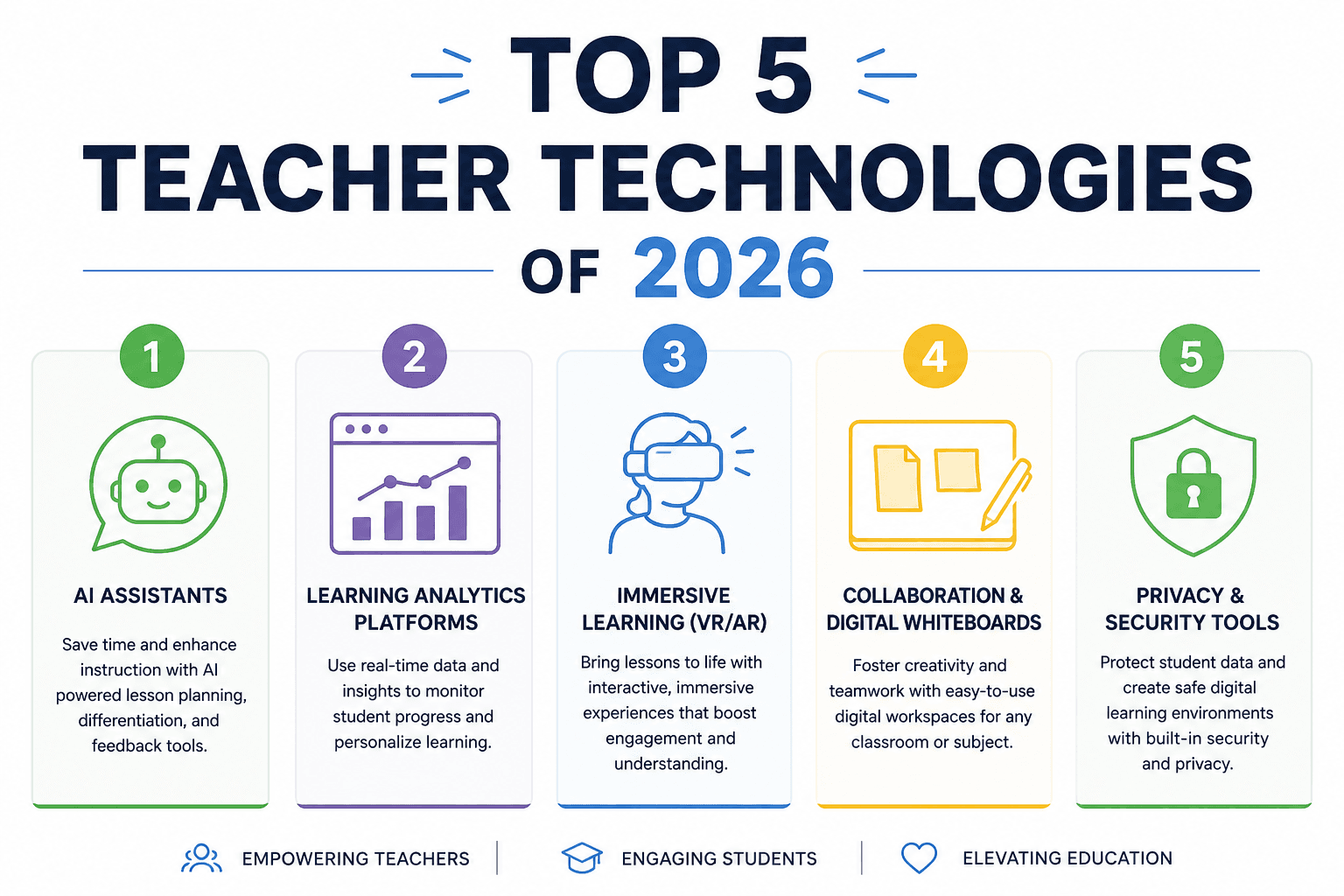
The strongest argument for classroom technology has always been access. A student who struggles to read at grade level can have text read aloud to them. A student learning in their second language can get instant translation instead of falling further behind while everyone else moves on. Adaptive practice software can quietly give a struggling student more repetition on fractions without singling them out in front of the class. None of that was really possible fifteen years ago, and none of it depends on a teacher having extra hours in the day they don't have.
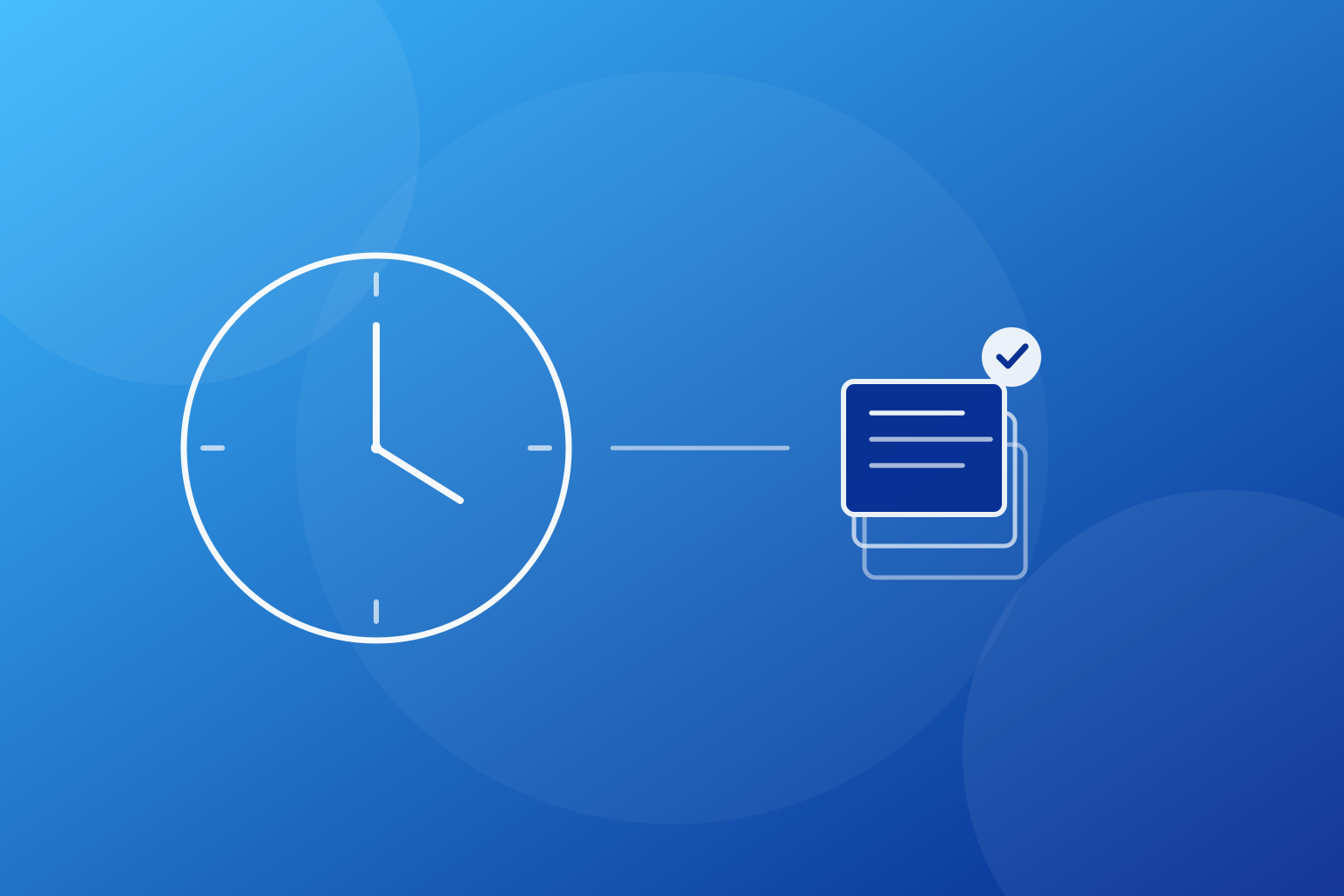
There's also a plainer, less romantic argument: it saves time. Grading, scheduling, turning a reading into a worksheet, tracking who's missing which assignment — a lot of the job is logistics, and logistics is exactly what software is good at automating. Every hour a tool gives back is an hour a teacher can spend actually teaching, or just not working at 10pm on a Sunday.
The case against it
The case against is just as real. Attention is the most obvious casualty — a laptop open during a lesson is also a laptop open to a dozen other things, and the research on multitasking isn't kind to the idea that students can do both well. Handwriting, sustained reading, and just sitting with a hard problem before reaching for a shortcut are all skills that seem to erode a little in classrooms that lean hardest on screens.
There's an equity argument too, and it cuts the opposite way from the access argument above: technology only closes gaps if everyone actually has reliable access to it, and plenty of students don't have a laptop or decent wifi waiting for them at home. A tool that works beautifully for a well-resourced school can just as easily widen the gap for one that isn't.
The part that actually worries most people now
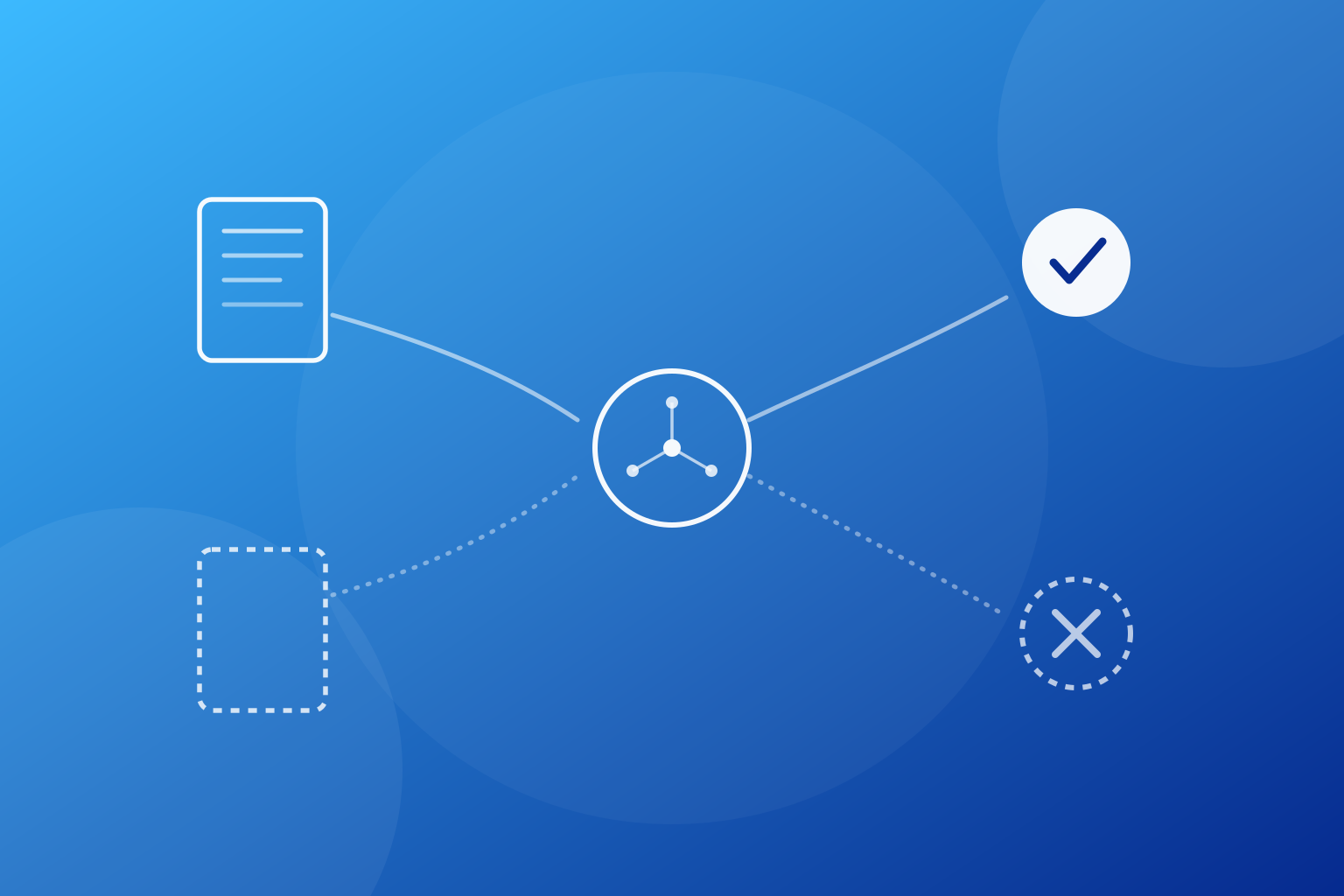
Ask a room of teachers what worries them most today, though, and most of them won't say "screens" anymore. They'll say AI — specifically, the flood of AI-generated everything. Essays a student didn't write. Study guides nobody fact-checked. Worksheets assembled by a model with no judgment about what a fourteen-year-old actually needs to understand. It's not that AI is inherently bad; it's that it's suddenly very easy to produce a huge volume of content that looks finished but has no one actually standing behind it.
That matters more in a classroom than almost anywhere else, because the whole point of a lesson is that a real text — a textbook chapter, a primary source, an article by someone who actually reported it — carries something a generated paragraph doesn't: a specific voice, a checked fact, a perspective someone was willing to put their name on. The more AI-generated filler becomes the default background noise of the internet, the more that distinction is worth protecting on purpose, not by accident.
Where we've tried to draw the line with LessonPilot
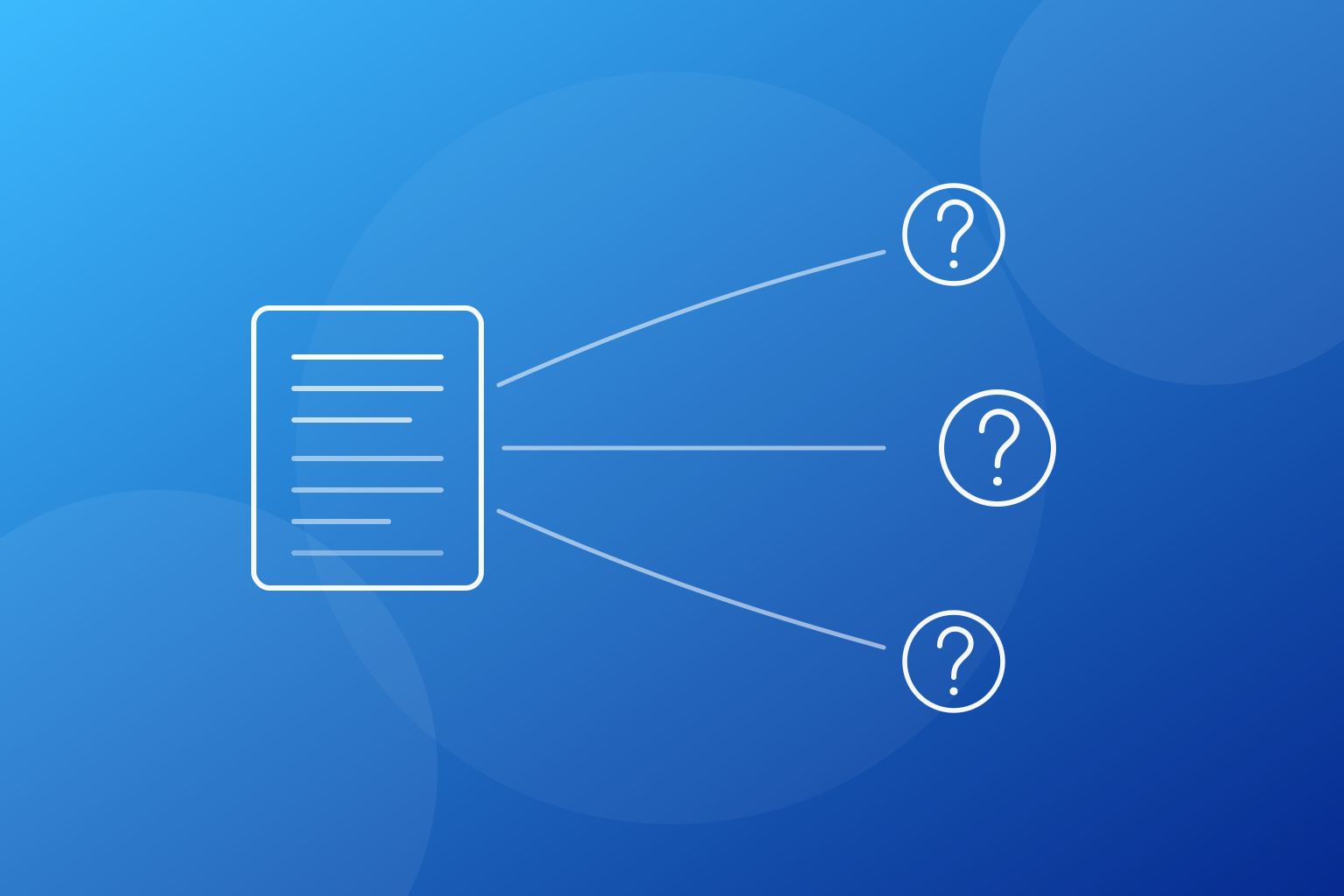
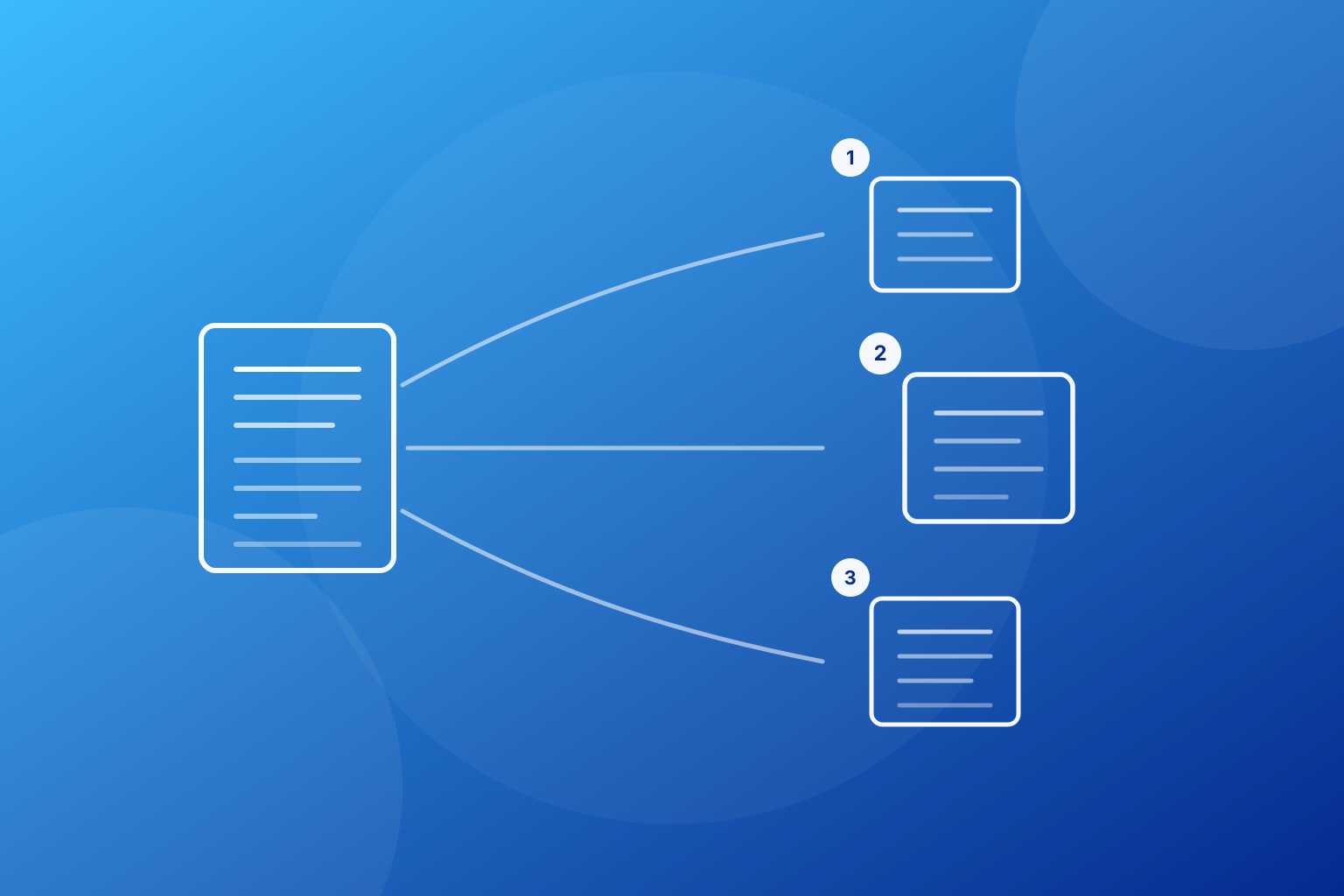
This is the reason LessonPilot works the way it does. It's built around one fairly narrow rule: AI is very good at transforming a text, and much less trustworthy at authoring one from scratch. So that's the only job we give it. Upload the same chapter, article, or PDF a teacher already trusts, and LessonPilot turns that specific text into curriculum-aligned questions in seconds — but it never rewrites the source, and it never generates the reading material itself.
We think that distinction is going to matter more every year, not less. As it gets easier to generate an entire "lesson" out of thin air, the value of a tool that respects the line between an authentic text and the questions layered on top of it only goes up. We'd rather automate the tedious part — turning material into a task — and leave the part that needs a real author's judgment exactly alone.
So — good or bad? Neither, really. It depends entirely on which job the technology is doing. A tool that hands a teacher back an hour, or gives a struggling reader a way in, is doing something worth keeping. A tool that quietly replaces the text a student was supposed to actually read is doing something worth being skeptical of, especially as it gets easier to produce and harder to spot. We built LessonPilot to sit firmly on the first side of that line.