Most advice about AI in education lands in one of two places: uncritical enthusiasm, or blanket suspicion. Neither is very useful day to day. What actually helps is a plain, practical read on which tasks AI handles well in a classroom, which ones it quietly makes worse, and a simple test for telling the two apart before you commit to using it for something.
Where it genuinely helps
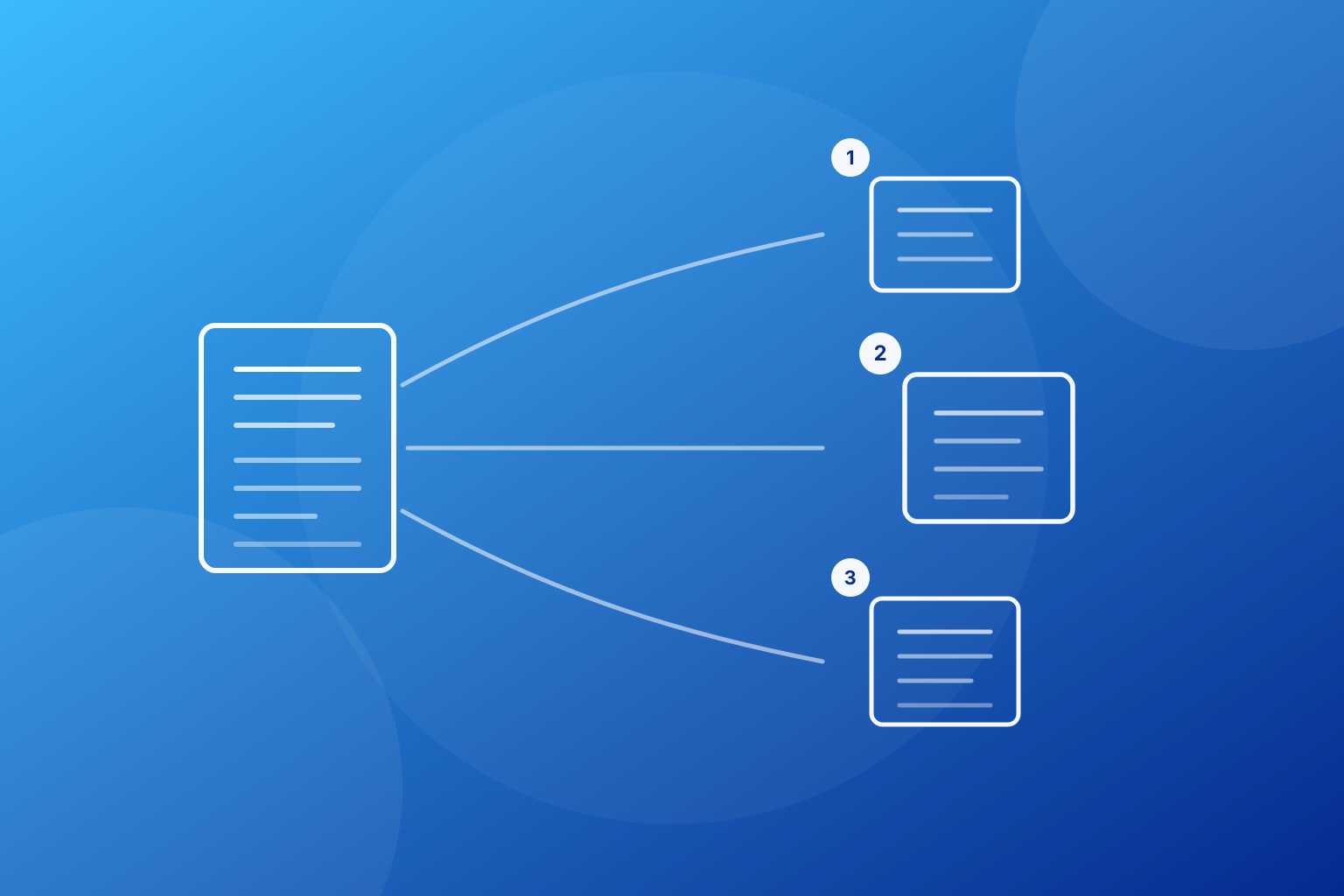
AI is reliably good at a specific kind of task: transforming something that already exists into a different, useful shape. Translating a passage for a student learning the language. Reading a page aloud for a student who struggles with text. Rephrasing a paragraph at an easier reading level. Turning a chapter into comprehension questions. All of these start from a real, trusted source and produce something derived from it.
These tasks share a property worth noticing: a teacher can check the output against the original in seconds. Did the translation keep the meaning? Does the simplified version still say the same thing? That fast, easy verification is exactly what makes this category of task safe to hand off.
Where it quietly makes things worse
The tasks that go wrong are the opposite shape: asking AI to produce something from nothing, with no trusted source behind it. An essay written whole-cloth. A "fact sheet" nobody checked. A lesson plan invented on a topic the tool has no real expertise in, presented with the same confident tone as something true.
The danger isn't that the output is always wrong — often it isn't. It's that there's no fast way to check it, the way there is with a transformation task. Verifying a generated fact means doing the research anyway, which erases most of the time the tool was supposed to save, and skipping that verification is how confidently-wrong content ends up in front of students.
A test that filters most of it
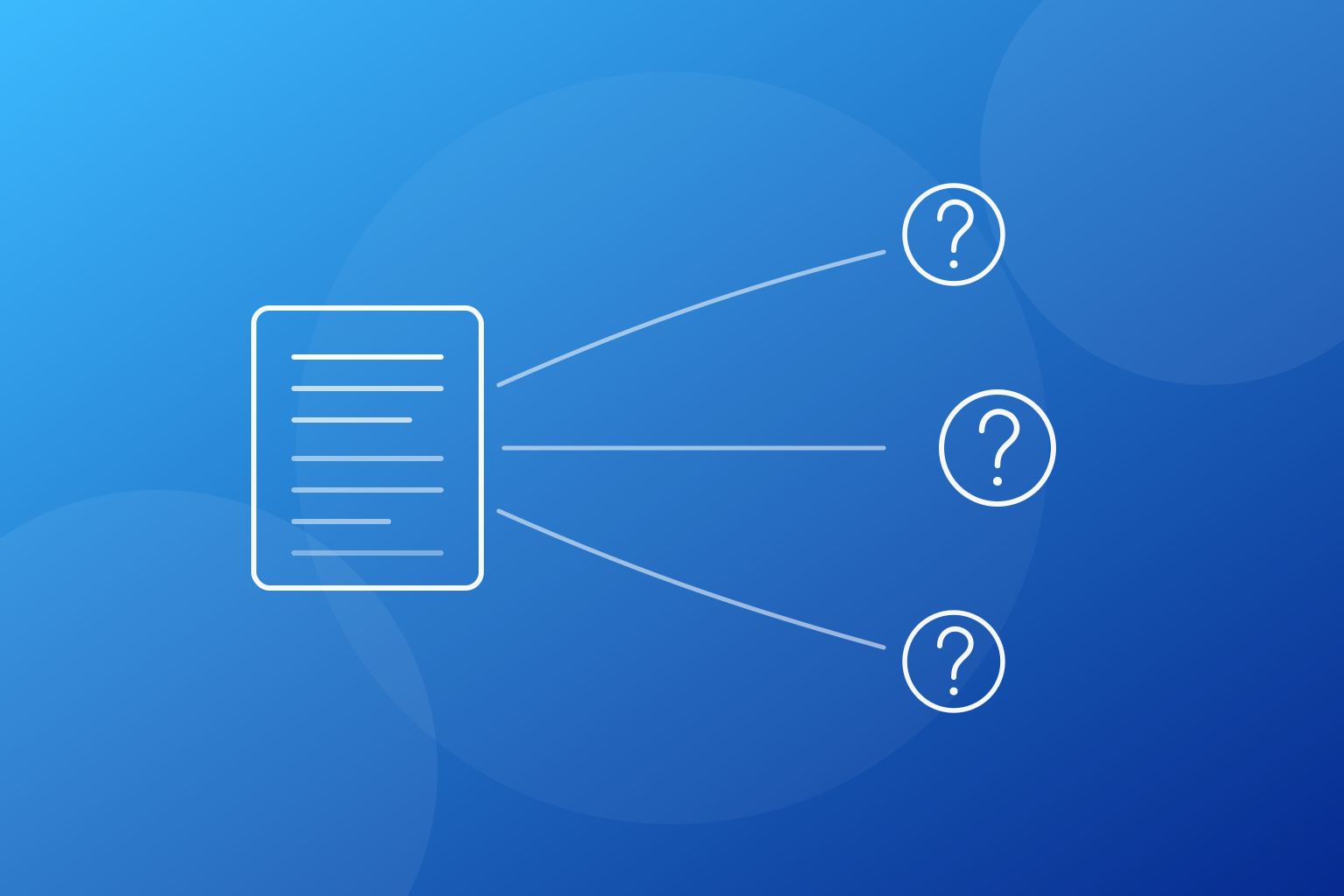
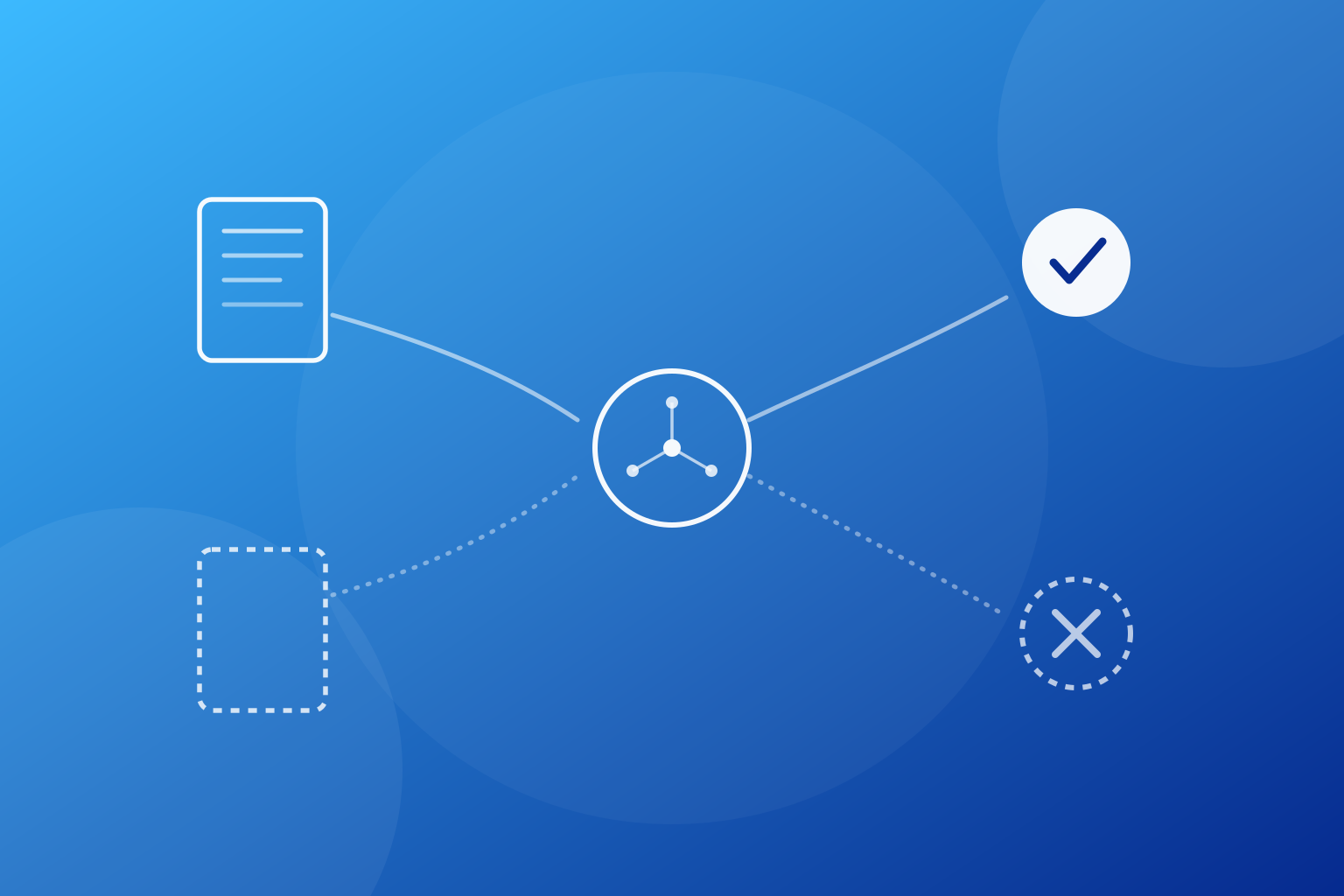
Before using AI for a classroom task, one question does most of the filtering: is this transforming something I already trust, or inventing something from nothing? Turning a textbook chapter into questions, translating a passage, reading text aloud — all transformation, all starting from something real. Writing an essay, generating "facts," drafting an entire lesson on unfamiliar material — all invention, all missing a source to check against.
This test isn't perfect, and plenty of tasks sit somewhere in between. But it catches the majority of cases quickly, and it's a rule a teacher can apply in the moment, without needing to become an AI expert first.
Where LessonPilot draws that line
This is the same rule LessonPilot is built around, not as an afterthought but as the actual design constraint. Upload a chapter, article, or photographed page a teacher already trusts, and it turns that specific text into questions — it never invents the reading material, and it never rewrites the source into something new.
That's a narrower job than "AI for the classroom" broadly promises, on purpose. The tasks worth automating are the ones where a teacher can glance at the result and know immediately whether it's right — and that's most of what actually eats time in a classroom, even if it isn't the flashiest use of the technology.
The honest version of 'how to use AI in the classroom' isn't a long list of clever prompts. It's one question, asked before every task: is this tool transforming something real, or inventing something from nothing? Stick to the first category, and most of the risk disappears along with most of the hype.